Coconuts are a versatile and essential product in many industries, especially in food and beverage. Understanding the differences between semi-husked coconuts and fully-husked coconuts can help wholesale importers make informed purchasing decisions.
What is a Semi Husked Coconut?
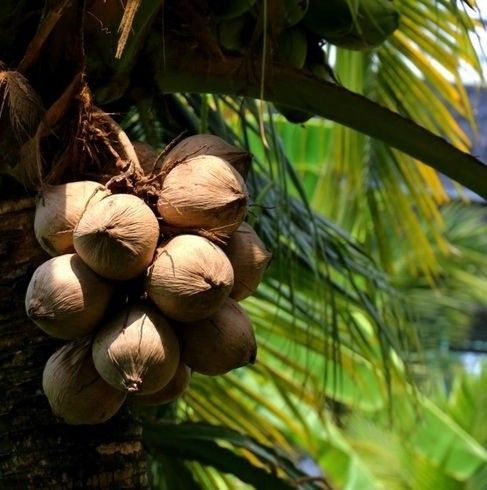
A semi-husked coconut is a matured coconut that has been partially de-husked, with the husk left intact over the "eyes" of the coconut. This area is particularly sensitive and susceptible to decay. By protecting the "eyes" with some husk, the shelf life of the coconut is significantly increased. This protective layer helps prevent damage and spoilage during transportation and storage, making semi-husked coconuts a preferred choice for export.

What is a Fully-Husked Coconut?
In contrast, a fully-husked coconut is a matured coconut that has had its husk completely removed. While this variety may be easier to process and use directly, it has a shorter shelf life compared to semi-husked coconuts. Without the protective husk, the "eyes" of the coconut are exposed, making them more vulnerable to damage and decay during long-distance transportation and prolonged storage. Fully-husked coconuts need to be stored in a cool and dry place to maintain their quality.
Key Differences:
In summary, the primary difference between semi-husked and fully-husked coconuts lies in the extent of husk removal and the subsequent impact on shelf life and transportation durability. Understanding these differences helps importers choose the right type of coconut for their needs, ensuring product quality and customer satisfaction. Whether for long-term storage or immediate use, both varieties offer unique benefits tailored to different market demands.
AVA Farm Company Limited has been well known for exporting semi-husked coconuts, fresh coconuts, and processed coconut products to many countries in the world. If you want to find a trustworthy wholesale coconut exporter in Vietnam to import at a competitive price, contact us.